
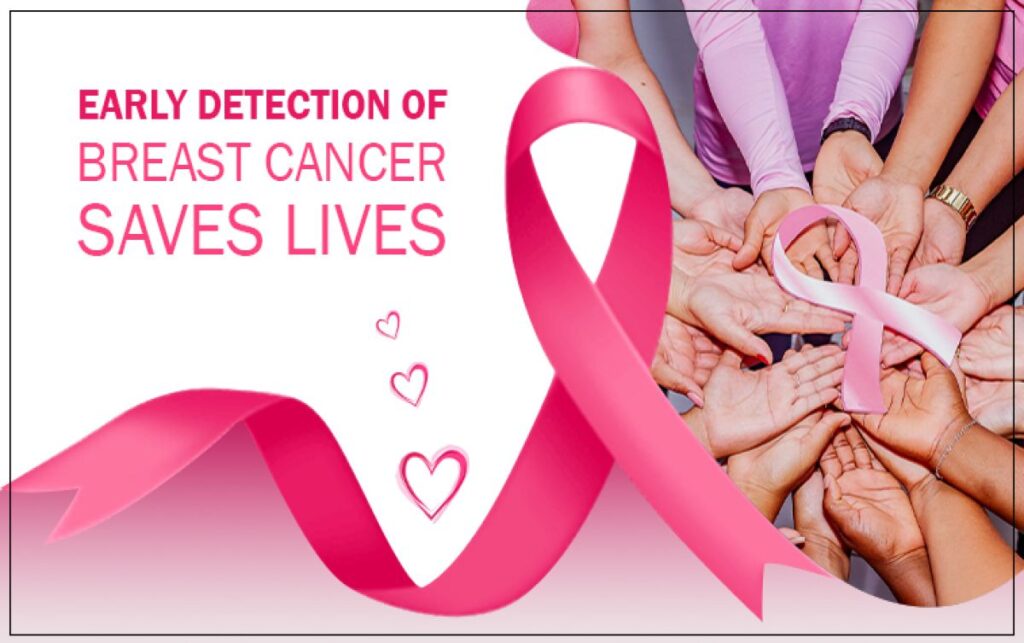
Breast cancer is one of the most common cancers affecting women worldwide. While it can be a serious and life-threatening disease, early detection significantly increases the chances of successful treatment and survival. Raising awareness about breast cancer and understanding the importance of early screening is vital for women and their families.
What is Breast Cancer?
Breast cancer occurs when cells in the breast grow uncontrollably, forming a tumor. These cells can sometimes spread to other parts of the body. While anyone with breast tissue can develop breast cancer, it is most commonly diagnosed in women over the age of 40.
Why Early Detection Matters
Early detection means finding breast cancer before symptoms appear. When detected early:
-
Treatment is more effective – Smaller tumors are easier to treat and often require less aggressive interventions.
-
Survival rates increase – Early-stage breast cancer has a much higher survival rate compared to advanced stages.
-
Recovery is faster – Early detection can lead to simpler treatments and a better quality of life.
Signs and Symptoms to Watch For
Although breast cancer may not show symptoms in its early stages, it is important to be vigilant and report any changes to a healthcare provider. Some common signs include:
-
A lump or thickening in the breast or underarm
-
Changes in breast size or shape
-
Unexplained pain in the breast
-
Skin changes, such as dimpling or redness
-
Nipple discharge or inversion
How to Detect Breast Cancer Early
-
Regular Self-Examinations
Performing monthly self-checks helps you become familiar with your breasts and notice any unusual changes. -
Clinical Breast Exams
Healthcare professionals can perform thorough breast exams during routine check-ups to detect lumps or abnormalities. -
Mammograms
Mammography is an X-ray of the breast and is one of the most reliable methods for early detection. Women over 40, or those at higher risk, should follow their doctor’s recommended screening schedule. -
Genetic Testing (if needed)
Women with a strong family history of breast cancer may benefit from genetic testing to assess risk and take preventive measures.
Reducing Your Risk
While not all breast cancers can be prevented, adopting healthy lifestyle habits can lower risk:
-
Maintain a healthy weight
-
Exercise regularly
-
Limit alcohol intake
-
Avoid smoking
-
Eat a balanced diet rich in fruits and vegetables
Final Thoughts
Breast cancer awareness is about more than education—it’s about empowering women to take action. Early detection saves lives, and routine screenings combined with self-awareness are your best defense. Encourage the women in your life to prioritize their health and schedule regular check-ups.